Walk through the skincare aisle of almost any beauty store and you’ll notice a familiar pattern. Products are either designed for children or marketed to adults chasing younger-looking skin. Somewhere in between sits an audience that has quietly been overlooked—teenagers navigating their first real skincare concerns.
For Tina McGonagill, that gap became impossible to ignore, not through market research or industry reports, but around her own kitchen table.
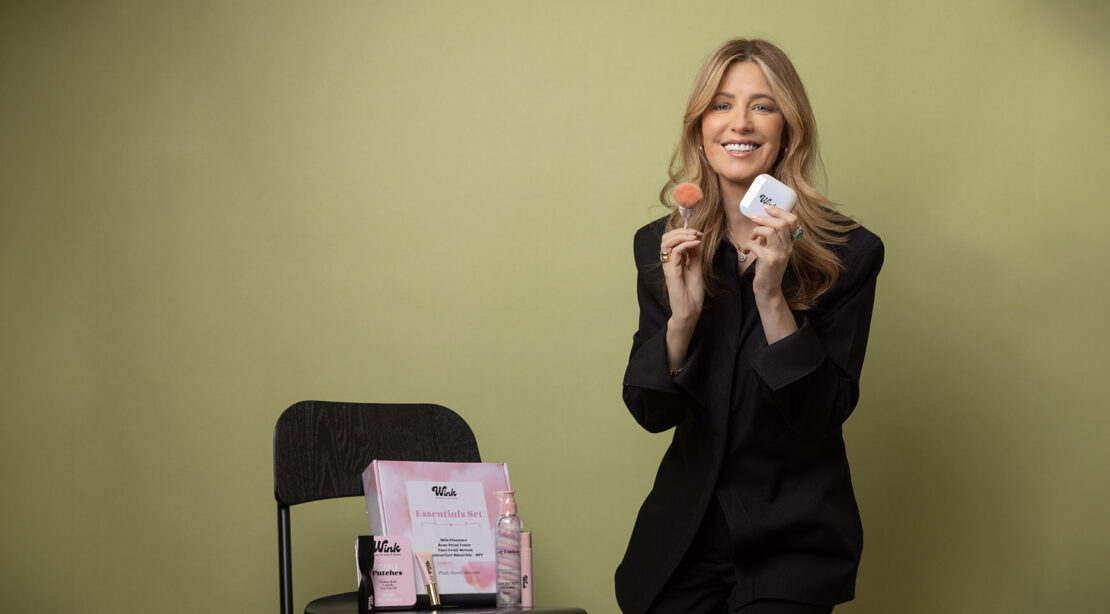
As the Founder of Wink Skincare for Teens, McGonagill wasn’t searching for her next business idea. She was trying to help her two daughters build healthy skincare habits. Instead, she found herself overwhelmed by products that seemed to force teenagers into one of two categories: simplified children’s products that offered little benefit, or adult skincare filled with powerful anti-ageing ingredients that developing skin simply didn’t need.
Rather than compromising, the family decided to create something themselves. “It genuinely became a mother-daughter project,” McGonagill said. “Our priority was to simplify the skincare experience, use natural ingredients, and create something teenagers would actually enjoy using.”
What began as conversations at home has since grown into a brand built not only for teenagers, but with them, a distinction McGonagill believes has shaped every decision behind Wink.
Closing the Gap in Teen Skincare
Teenage skin is unlike any other stage of life. While adults often focus on fine lines, pigmentation and ageing, teenagers are navigating hormonal changes, increased oil production, occasional breakouts and, perhaps most significantly, an overwhelming amount of conflicting advice and social media has only intensified that confusion. Daily routines featuring ten or more products have become commonplace online, often encouraging teenagers to experiment with ingredients originally developed for mature skin.
McGonagill believes that’s where much of the industry’s misunderstanding begins. “There was a huge white space between kids’ products and adult skincare repackaged for teenagers,” she explained. “Teens need products formulated for their actual skin biology.”
Instead of chasing trends, Wink focuses on simplicity. The products are designed to support young skin rather than overwhelm it, recognising that teenage skincare is less about correction and more about balance. For McGonagill, that philosophy extends beyond product development. It also means challenging the idea that younger consumers need increasingly complicated routines simply because they’re popular online.
Redefining Clean Beauty
The phrase “clean beauty” has become one of the industry’s most frequently used marketing terms, but McGonagill believes its meaning has gradually become blurred.
For Wink, clean beauty isn’t about creating products that are fashionable or trendy. It begins with transparency and suitability.
“We want ingredient lists that teenagers and parents can actually understand,” she says.
The brand avoids harsh sulfates, parabens, unnecessary synthetic fragrances and high-strength active ingredients that can compromise a teenager’s skin barrier. Instead, formulations rely on naturally derived ingredients and plant extracts developed alongside manufacturers specialising in botanical skincare.
For McGonagill, natural doesn’t mean rejecting science. It means choosing ingredients supported by evidence while recognising that many plant-based ingredients have been used safely across different cultures for generations.
More importantly, she believes clean beauty should never become another source of anxiety for young consumers. Instead, it should offer reassurance—both for teenagers discovering skincare and for parents deciding what belongs in their children’s routines.
Designed With Teenagers, Not Just For Them
Perhaps the most distinctive part of Wink isn’t found inside the products at all. It’s found in the development process. McGonagill invited teenagers into the conversation from the very beginning, instead of asking marketing teams what teenagers might like. She calls them her “Teen Team,” a group made up of her daughters and their friends who help shape everything from product textures and scents to packaging and overall design.”They know what they want, and they’re highly critical.”
Their involvement goes far beyond occasional feedback sessions. They test concepts, challenge ideas and influence decisions before products ever reach the market. Sometimes that means starting over completely. That willingness to listen has become part of Wink’s identity. Instead of assuming what young consumers want, the brand evolves alongside them.
It has also opened the door for future expansion. Following the success of its skincare range and pimple patches, Wink is preparing to launch a clean cosmetics collection aimed specifically at teenagers. The approach, however, remains consistent. “We never want to promote a full face of makeup,” McGonagill explained. “We simply want to enhance natural beauty.”
Products such as skincare-infused lip glosses and lightweight blushes are being developed with the same philosophy that shaped the skincare line: simple, age-appropriate and designed to build confidence rather than conceal imperfections.
Confidence Before Perfection
Spend enough time in the beauty industry and it becomes clear that many brands are built around fixing perceived flaws and McGonagill wanted Wink to take a different approach. She hopes the brand encourages teenagers to understand what their skin is experiencing during a normal stage of life as opposed to positioning acne, oily skin or hormonal changes as problems to eliminate.
Hormonal breakouts remain one of the most common concerns among young consumers, alongside increased sensitivity caused by overusing products recommended on social media. “Less is genuinely more,” McGonagill said, adding that teenage skin is naturally more reactive than adult skin. Strong active ingredients designed to address ageing can often do more harm than good when introduced too early.
That understanding has shaped not only the formulations themselves but also the brand’s broader message: honesty, confidence, self-acceptance. “We want Wink to feel like a wink and a nod,” she said. “Not another brand telling teenagers that their skin is a problem to fix.”
Building Trust With Two Generations
Creating products for teenagers also means recognising that purchasing decisions rarely belong to teenagers alone. While young consumers often discover products through TikTok, Instagram and recommendations from friends, parents remain an important part of the decision-making process, particularly when safety and ingredients are involved.
McGonagill believes today’s teenagers are also far more informed than previous generations. “They grew up Googling ingredient lists. They recognise greenwashing quickly, and they’ll call brands out if they aren’t being honest.”
That expectation for transparency has influenced how Wink communicates with both audiences simultaneously. Teenagers are looking for products that feel modern, relatable and enjoyable to use, while parents want reassurance that those products have been developed responsibly.
Growing Up With Its Customers
As Wink continues to expand, McGonagill isn’t focused solely on adding more products to shelves. She’s interested in growing alongside the teenagers who inspired the brand in the first place. Today’s 13-year-old customer will eventually become an 18-year-old with different skincare needs, routines, and expectations. McGonagill hopes Wink can evolve naturally through those stages without losing the values it was built upon.
Those values remain remarkably consistent: create products that are appropriate rather than excessive, transparent rather than confusing, and supportive rather than critical. For McGonagill, healthy skin has never been about chasing perfection; it’s about helping teenagers feel comfortable in the skin they’re already in.
And perhaps that’s the biggest lesson behind Wink. In a beauty industry often preoccupied with changing appearances, the most meaningful skincare routine might simply be the one that teaches young people to care for themselves, without convincing them they need fixing first.