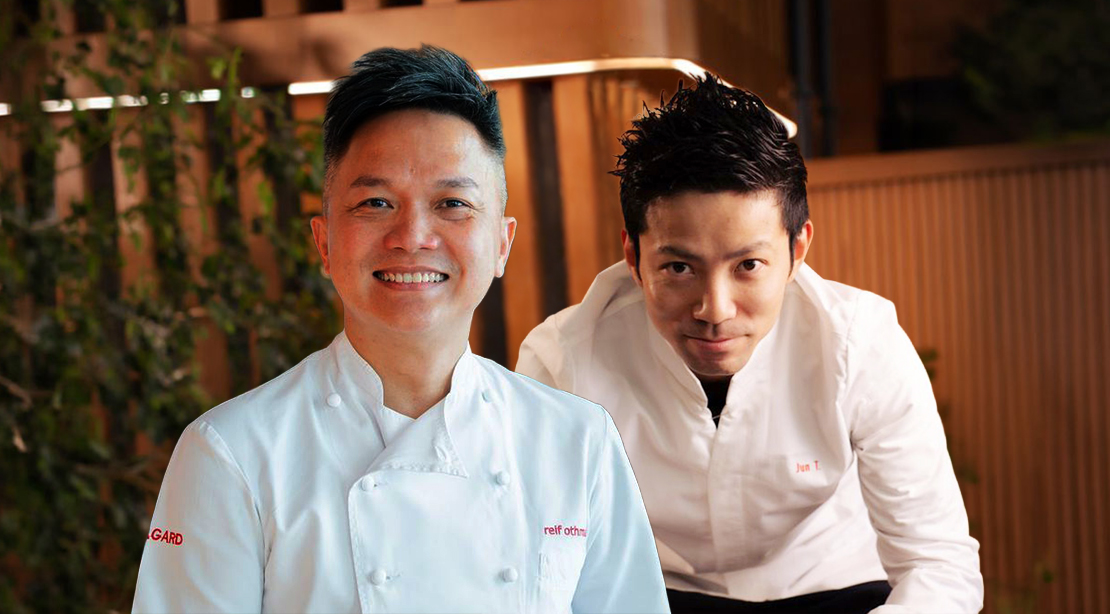
The expectations that come with being a chef include following rules and traditions and respecting familiar ideas about what a restaurant should look, sound and feel like. But for Chef Reif Othman, challenging those expectations has never been about breaking rules simply for the sake of it. It starts with a much simpler question: why does something have to be done that way in the first place?
That curiosity has become an important part of how Othman approaches food and hospitality, alongside Group Executive Chef Jun Tomioka, whose role is about translating those ideas into experiences that work beyond the plate. Together, their approach is less about chasing novelty and more about questioning what is already there, understanding the foundations and then seeing where they can go next.
For Othman, being placed inside a single culinary category has never felt particularly useful. Japanese, Singaporean, fine dining or casual dining are all references, but they do not necessarily define what belongs on his menu. If something tastes good and makes sense, he wants the freedom to explore it. Tradition remains important, but respecting it does not mean leaving it untouched.
That mindset runs through the concepts they create, from the food itself to the service, atmosphere and identity of each restaurant.
Where Curiosity Becomes the Starting Point
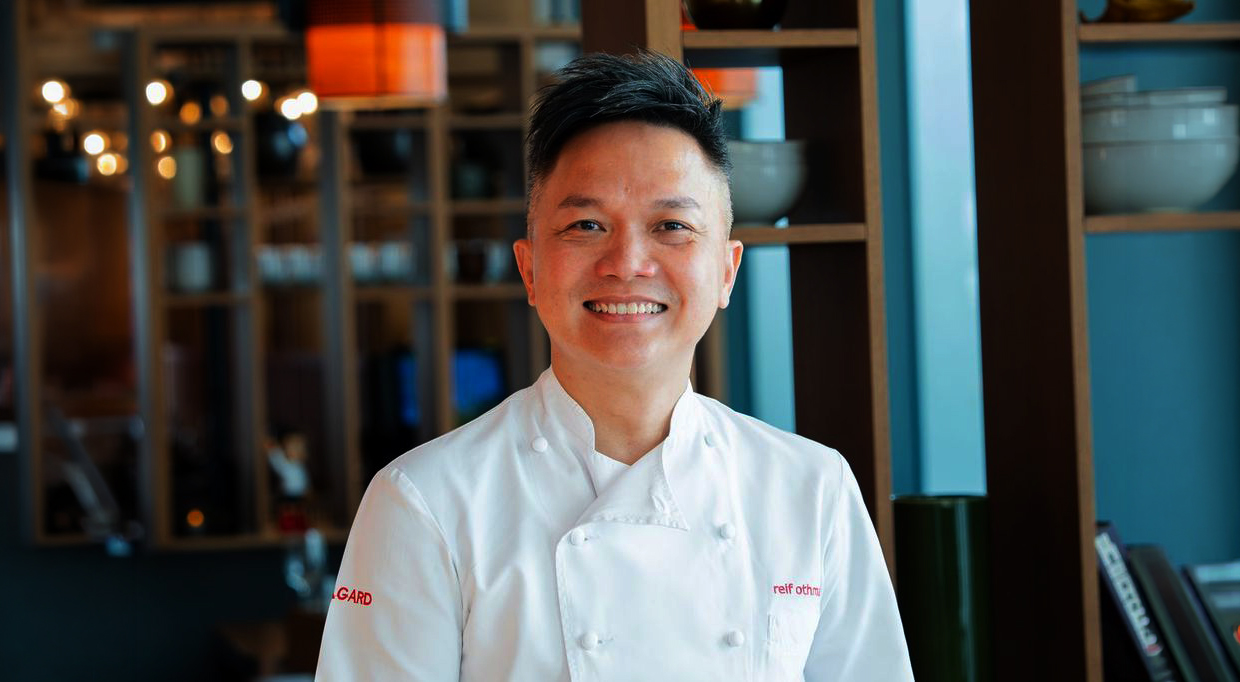
Othman admitted that he gets bored quite easily, and that may explain part of his constant desire to explore. His influences do not stop at food. Design, music, fashion, sneakers and travel all find their way into his creative thinking, often without him deliberately trying to make those connections.
He allows ideas to develop naturally vs sitting down and asking how to create something completely different. Something he sees, eats or remembers from years ago can eventually become the beginning of a new direction. That curiosity becomes particularly important in a city as crowded with restaurants as Dubai. Before developing a new concept, Othman asks, “Does Dubai actually need this?”
For him, opening another restaurant simply because there is an opportunity to do so is not enough. There needs to be a reason for the concept to exist, whether that comes through the food, the format, the price point or simply the feeling guests experience when they walk through the door. If that reason cannot be clearly explained, he questions whether the restaurant should exist at all.
Building an Identity Beyond the Plate
For Tomioka, a truly unique concept needs to go much further than one signature dish or an impressive interior. The different parts of a restaurant need to feel connected, with the menu, service, music, design and even the way the kitchen operates contributing to the same identity.
It is an approach that also explains why the group does not want its concepts to feel interchangeable. SIO Ramen House should feel like SIO. KO.NA Pizza House should feel like KO.NA. REIF should continue to have its own DNA. It is about creating an experience that guests can understand without needing someone to explain the concept to them.
Turning an idea into that kind of experience takes plenty of testing. A dish may begin with a simple flavour, a memory or something Othman has seen, but the team then has to work out whether the idea actually works when someone sits down and eats it.
The process extends beyond the dish itself. How it is served, what comes before it, what follows it and how it fits into the restaurant all matter. The amount of work behind that process may be extensive, but the guest should never feel that they are being asked to understand the machinery behind it. They should simply feel that everything makes sense.
Questioning the Rules Without Losing Respect
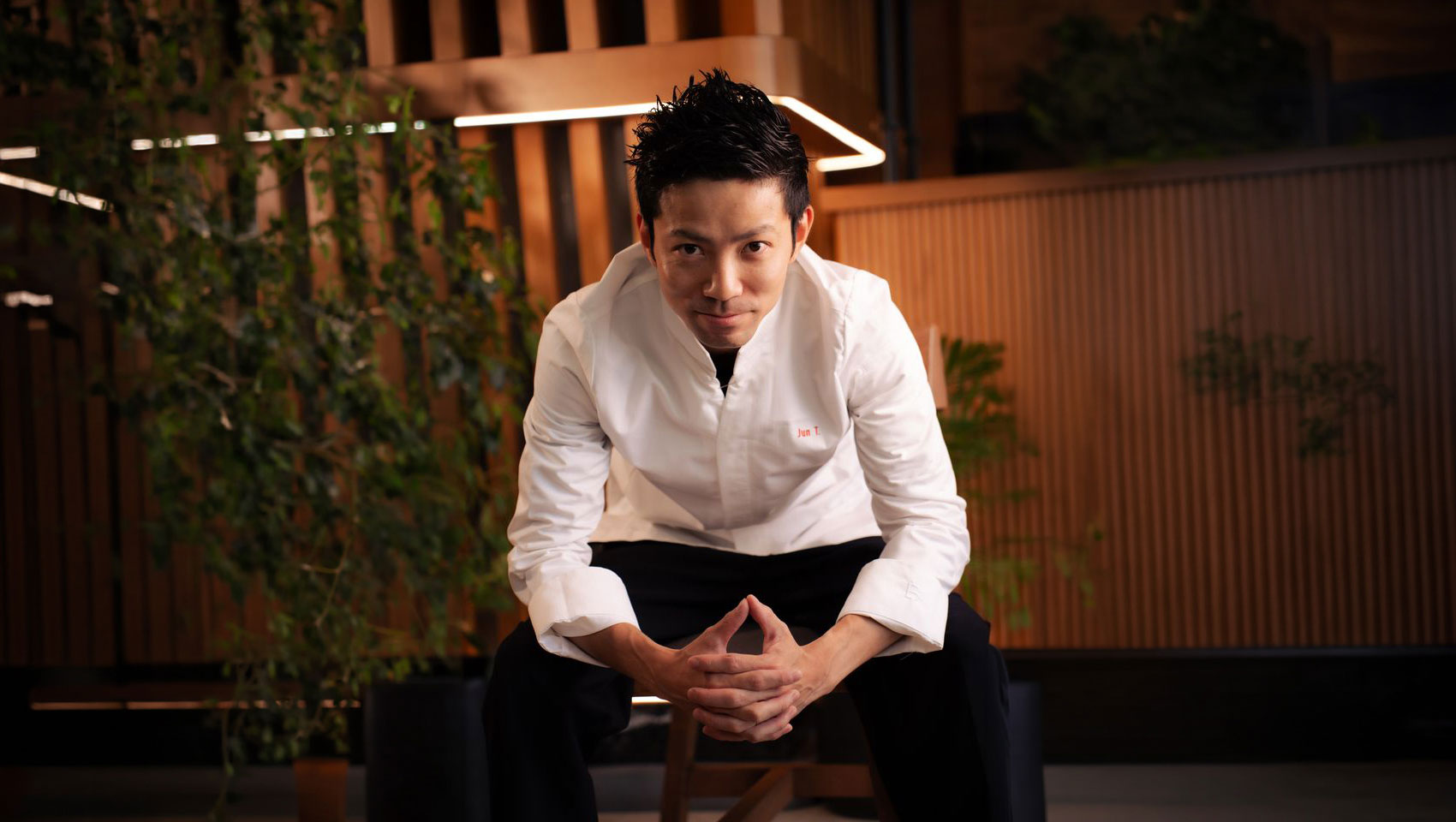
Challenging convention does not mean ignoring where food comes from. For Tomioka, one of the culinary rules worth questioning is the belief that there is only one correct way to cook something. Technique and tradition provide the foundations. Understanding where a dish comes from matters, particularly when working within cuisines with strong cultural traditions. But once those foundations are understood, there should also be room to explore.
Sometimes that means changing a single ingredient. Sometimes it means bringing a technique from somewhere completely different and seeing what happens when the two meet. That balance between respect and experimentation appears central to the way Othman and Tomioka work together. The goal is not to erase tradition, but to understand it well enough to know where there is space to move, and perhaps nowhere is that philosophy more apparent than in their approach to fine dining.
Othman questions the idea that serious food has to create a serious atmosphere. Technical cooking, exceptional ingredients and highly attentive service do not necessarily require guests to sit quietly and behave as though they have entered an exam. TERO, with its 12 seats and chefs working directly in front of guests, represents that idea clearly. The food can be technical, but the experience should still allow people to talk, laugh, ask questions and enjoy themselves.
For Othman, good food should make people relax, not behave.
Creativity Meets Commercial Reality
There is also a practical side to challenging convention. Creativity in hospitality cannot exist entirely separate from business. Othman is straightforward in that chef can create the most interesting dish in Dubai, but if nobody wants to order it, the idea remains interesting mainly to the person who created it.
That does not mean creativity has to be sacrificed for commercial viability. Instead, the challenge is finding a way to make originality accessible. Give guests something they recognise, then surprise them somewhere. It might be an unexpected ingredient, a technique they did not anticipate or a different approach to presentation. The point is not to make the guest work too hard to appreciate the food. Knowing who you are cooking for becomes just as important as knowing what you want to create.
It is a philosophy that also connects back to the wider experience they are trying to build. The restaurant has to work as a complete environment, not simply as a collection of clever dishes.
Othman ultimately wants the experience to begin with something very simple: comfort. Guests should not feel that they need to know the chef, understand every ingredient or already know exactly what they are supposed to order. There should be an entry point that feels familiar, followed by enough curiosity to keep them engaged.
Maybe they recognise most of what they are eating, while one unexpected detail makes them stop and wonder how it was created. That element of surprise is important, but it is not the final goal. Othman would rather have someone return than simply visit once, take a beautiful photograph and move on.
While restaurants can certainly tell stories, he believes the food has to come first. A great story cannot compensate for food that does not deliver. Once the food is right, however, the restaurant can begin to reveal something about the people behind it. There are parts of him in REIF, parts of the team in TERO, and a completely different side of the group in SIO Ramen House and KO.NA Pizza House.
The story does not necessarily need to be written on the wall or explained to every guest. If the restaurant has been built properly, people should be able to feel it for themselves.
Perhaps that is where Othman and Tomioka’s approach comes together most clearly. Challenging the status quo is not about being different simply for the sake of being different. It is about asking better questions, understanding the rules before deciding which ones can move, and creating something with enough identity that people can experience it without needing it explained.
In a city full of restaurants, that kind of curiosity may be what keeps a concept from becoming just another place to eat.